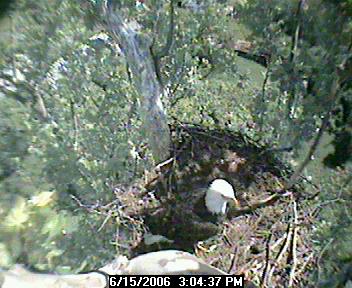
Check out the Frodocam! Remember, Brisbane is between 16 and 19 hours ahead of the US...
Bird Girl
 Hugo's Flowers

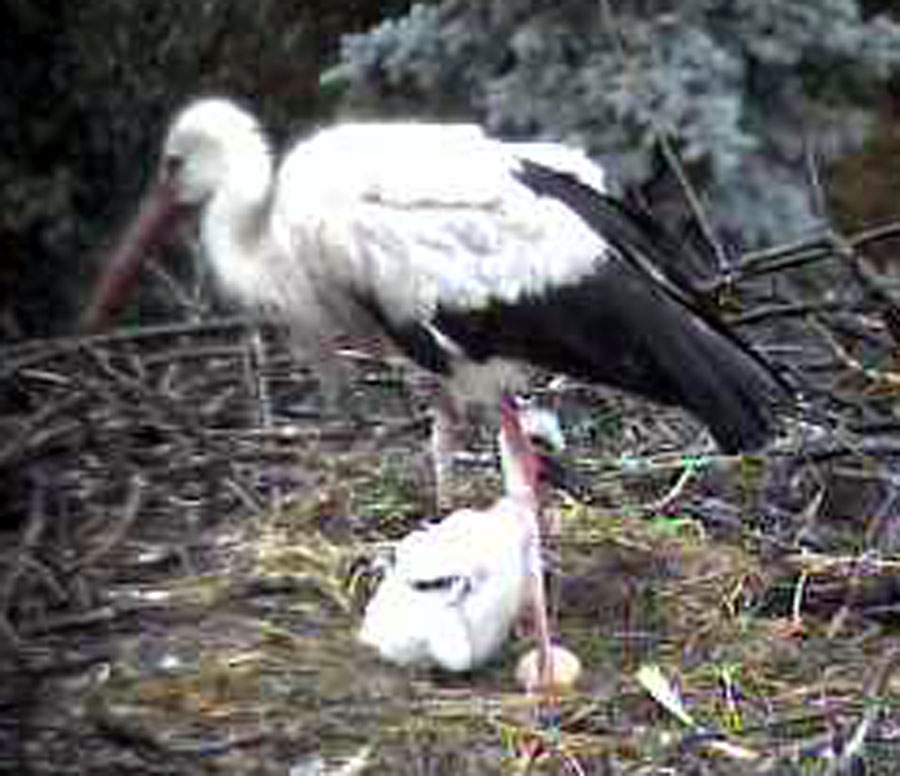
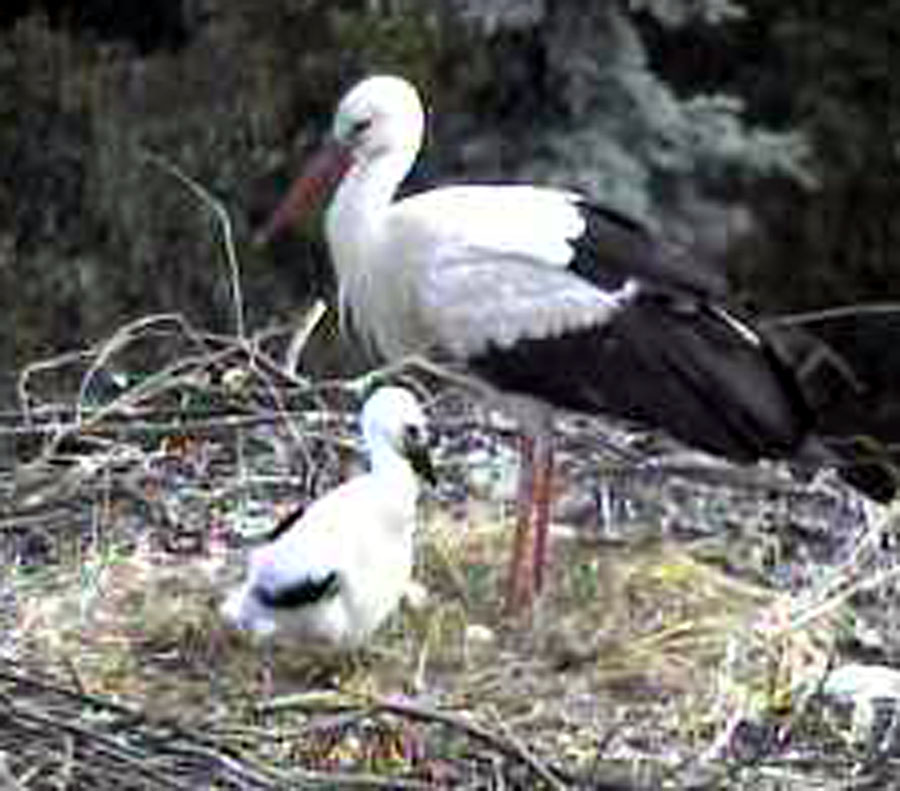



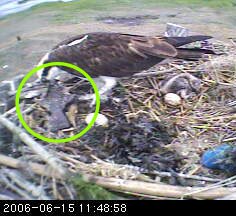
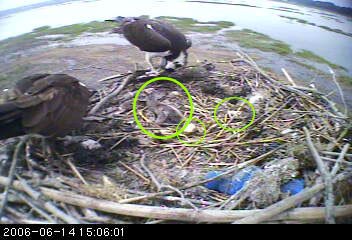
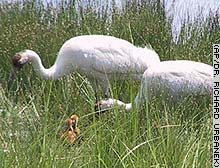 See the chicks???
 Adult
Adult Adult & subadult
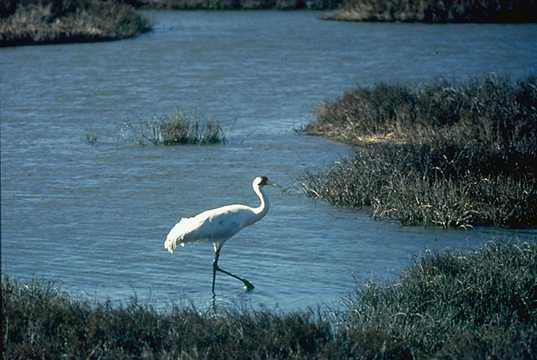 Looking for dinner
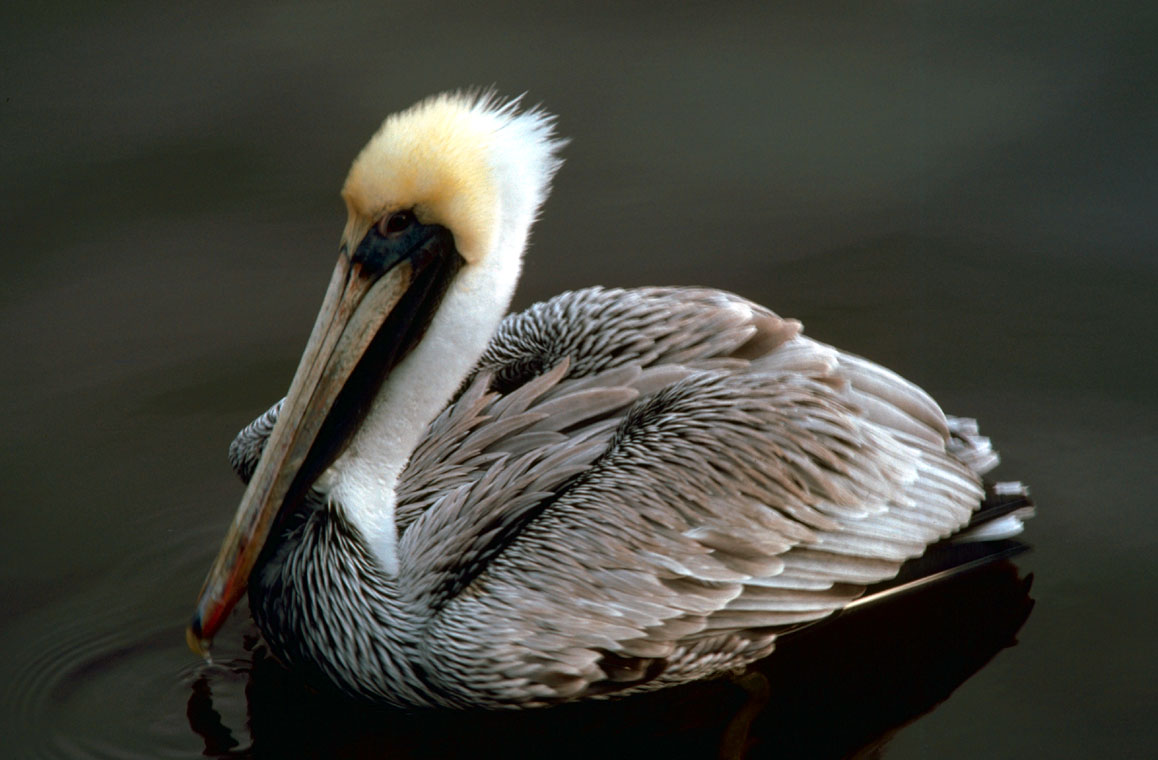 Pelicanus occidentalis
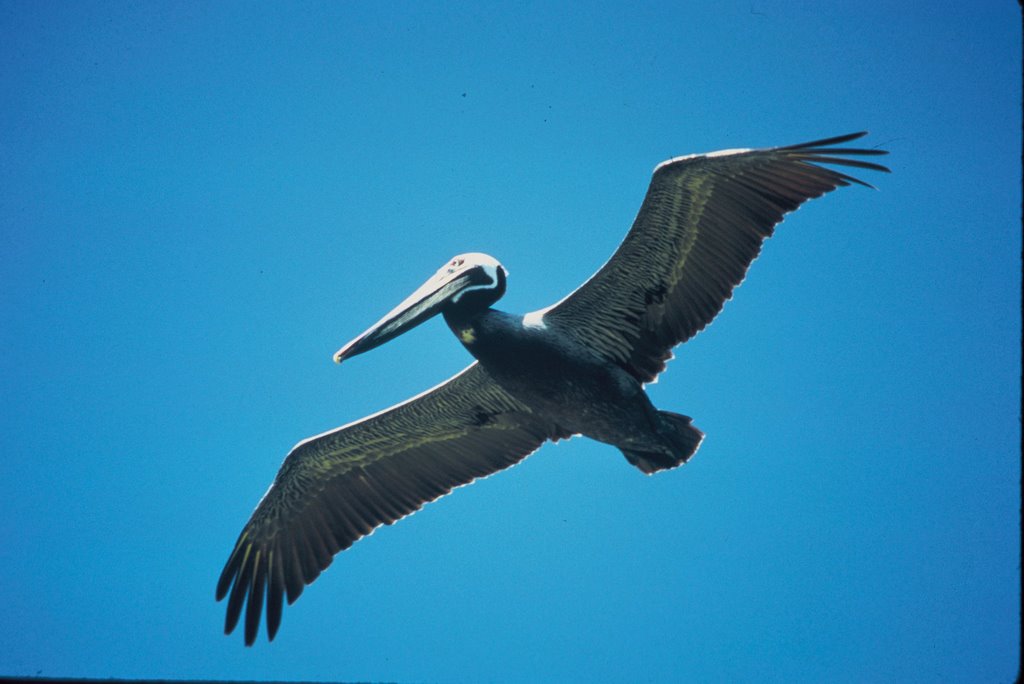 Pelican in flight
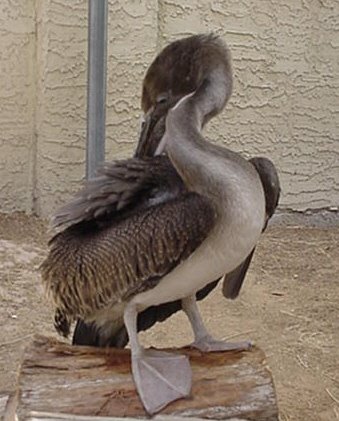 Nigel preening
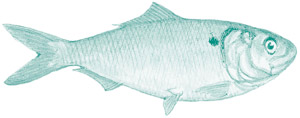 Illustration of a menhaden
Brown pelicans nest on the ground, in bushes, or in trees, usually with a clutch of 2-3 chalky white eggs, which are incubated for approximately 30 days; the chicks fledge in about 35 days if nested on the ground or in bushes, 63 to 88 days if nested in trees.
 A pelican rookery in Alaska
The pelican parents will only raise one brood a year, which is a big reason why it is extremely important that all chicks are successful. In the 1960s and 1970s, a pesticide known as DDT caused widespread population decline in multiple species of animals. The DDT affected birds by causing thin eggshells, which of course lead to extremely reduced numbers of offspring. This is what happened to the Brown pelican; at one time, it was estimated that there were less than 100 individuals in the wild.
Some interesting tidbits about the Brown pelican:
*A healthy adult weighs approximately 9 pounds; they have many air sacs throughout the body to allow them high buoyancy, and to soar the long distances required for migration
*Pelicans are the only birds in which all four toes, including the rear toe, are webbed together; this is called totipalmate
*Contrary to common belief, Brown pelicans do not carry fish in their pouch; food is swallowed immediately
*The pouch can hold approximately 3 gallons of water and fish
*A Brown pelican's bill is as long as their head and neck; they use the tip of the bill as a preening tool
*Pelicans fly with their necks folded up in an "S" shape
My pelican experience
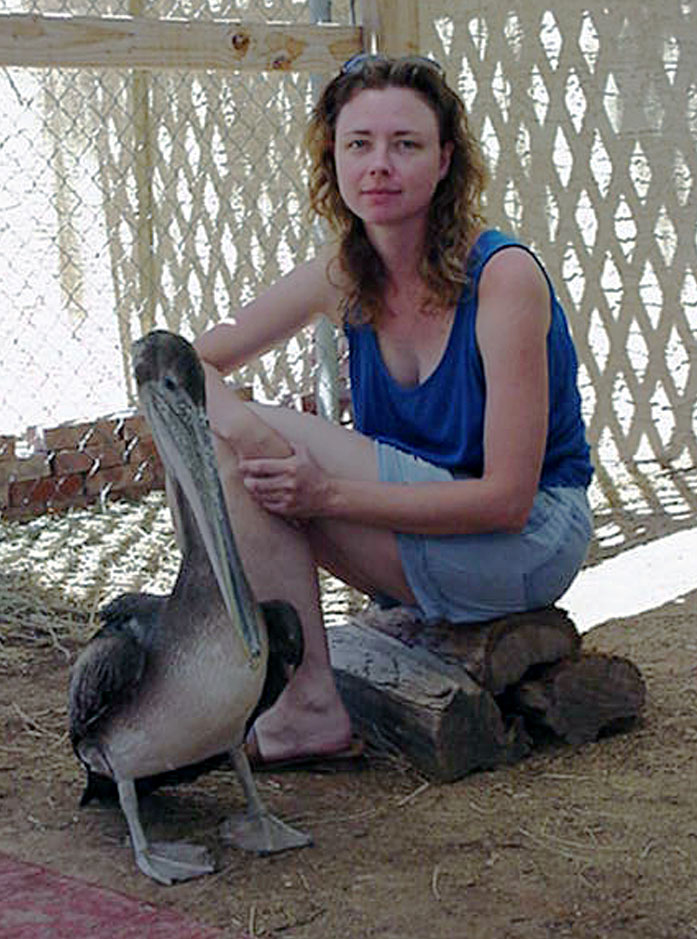 Bird Girl and Nigel, July 2004
I had the most wonderful experience a couple of years ago when a pair of juvenile Brown pelicans had injured themselves when diving for fish -- into the mirages on the pavement here in the Valley of the Sun. One had a tear in his pouch, was malnourished and dehydrated; the other suffered a broken leg.
The two pelicans, whom we called Nigel and George while they were in our care, were very laid back, and not afraid of us at all. They loved having a kiddie pool to paddle around in, but we struggled with feeding them. Obviously, they can't dive for schooling fish in a tiny plastic pool!
The first day, we called everyone we know in our bird rehabber community to see if anyone knew ANYTHING about taking care of these birds. Ultimately, we ended up consulting with Sea World in San Diego regarding environment, feeding, anatomy, etc. They were so much help and we couldn't have done it without them!
Sea World told us that we could puree fish, add some vitamin supplements, and tube feed the pelican. Tube feeding, for those who haven't figured it out already, means inserting a tube attached to a large syringe into the "stomach" of the bird, and filling the stomach directly. It's one thing to tube feed a mourning dove or pigeon; it's quite another to feed a bird with a two-foot long neck that is fighting you every step of the way.
Jody and I decided we would try tube feeding Nigel (George was at the vet's recovering from surgery to repair his broken leg). She stood behind him and held his body and head in place, while I guided the tube down his throat and into his stomach. As I began to push the fish puree into the tube, Nigel shook his head and spit out the tube -- and covered Jody and me in fish soup!!! Let me just say, EEEWWWW!!! We had it in our hair, on our hands and feet, all over our clothes, on our faces...I must have washed my hair five times that night, and scrubbed off at least two layers of skin, trying to get the fish smell off! I have never liked fish, never eat fish, and have always hated the smell. This was just the WORST!!!
We decided, after four tries -- Jody holding Nigel and me feeding him; me holding Nigel and Jody feeding; Jody and me holding Nigel while another person tried feeding him; Jody and me holding the bird while a third person held his head, a fourth held the bill open, a fifth held the tube in place, and a sixth pushed the fish paste into the tube -- that it just wasn't going to work. We had wasted a good deal of fish and vitamins, and we all smelled horrible and felt worse because we were sticky with fish paste.
We consulted with Sea World again, and they said to get live fish and put it in the pouch, the bird would swallow the fish as normal. We were to try to give the bird vitamins, as well. The whole "live fish" thing didn't work out any better than the fish paste -- it's really hard to get a wriggling fish into the mouth of a big bird that really doesn't want your hand in his throat, not to mention cleaning the dirt off the fish after it flops out of your hand for the umpteenth time. We settled on thawed frozen fish instead, and put vitamins in the fish. It wasn't easy, but we did get the pelicans to eat these fish.
 Making sure Nigel's fish goes down
The Trip
After both Nigel and George had achieved a healthy weight (Nigel was only 3 pounds when we got him -- he should have been 2-3 times that heavy), were completely healed of their respective injuries, and were flapping about wildly, it was time to send them off. We weren't allowed to release them in Arizona, however; the birds had to spend time at Sea World in quarantine and be approved for release by the veterinarians there (because the Brown pelican is an endangered species).
So I said, "I have an idea." Jody and I have been doing bird rehab together for about five years. She always winces when I say "I have an idea."
I suggested that we take the birds to Sea World ourselves, instead of shipping them by air. We didn't trust the airline industry to properly take care of our charges, to whom we were completely attached by this time. And so it was decided that Jody and I, along with Kay (another volunteer & our IT person) and two of Jody's daughters, would drive to Sea World with Nigel & George and deliver them personally.
We set out at about 11 pm, fueled up and stocked up, and unbelievably excited. From Phoenix, Sea World is between 5-6 hours' drive, depending on how fast one drives (I'm not saying that anyone was speeding, just to be clear!). We figured we would leave at night so most of the driving would be done while the birds were asleep, and so we would arrive in the early morning; we planned to drop off the birds, turn around, and come home. That's pretty much what happened, too.
When we finally got to San Diego, it was so early that we couldn't go to Sea World yet. We drove around until we found a place to have breakfast, and ended up at a little mom & pop diner that had just opened for the day. It was about 6:30 am, we were starving and tired, and had nearly three hours to kill before the person we were to meet would arrive at Sea World. Our waitress was really strange, half of the glassware and silverware was not as clean as it should be, and the food was not good at all. It was almost a Twilight Zone kind of thing, really.
We left the diner and headed to Sea World, knowing we would have to wait for our contact to show up. We drove around and around looking for the entrance that we were supposed to use (can't exactly show up at the ticket window with a pair of pelicans in an airline crate), and finally located the gate. There was no guard station or parking attendant or anything, no one to ask if our contact was there yet, or where we should park, or whatever.
It was just our luck that at that moment, someone pulled up next to our vehicle and said, "Are you lost?" We relayed our mission to this person, who told us that they knew the person we were there to meet, and would go inside to tell them we had arrived. We didn't have to wait for her after all!
Sea World
After being directed to the back side of the park, where the holding tanks and other "behind-the-scenes" things were, we parked and got Nigel and George out of the car. We were about to be given a tour of Sea World's Oiled Wildlife Center, where our pelicans would spend the first day or two. It is quite the operation they have there: rows of pens; rows of bathing tubs; rows of drying pens with heat lamps and fans; and of course, VATS of Dawn dish detergent! No one was in the building (by that I mean, no birds), so Nigel and George would have the place all to themselves. We were so excited to be there. It was amazing.
We were led on a tour of the facilities, including the Humboldt penguin habitat, the pelican habitats, the hospital and the nursery. These are things that aren't even on the "Behind The Scenes" tour! We saw different types of marine mammals which were being kept off display for one reason or another, including seals, dolphins, walruses, etc.
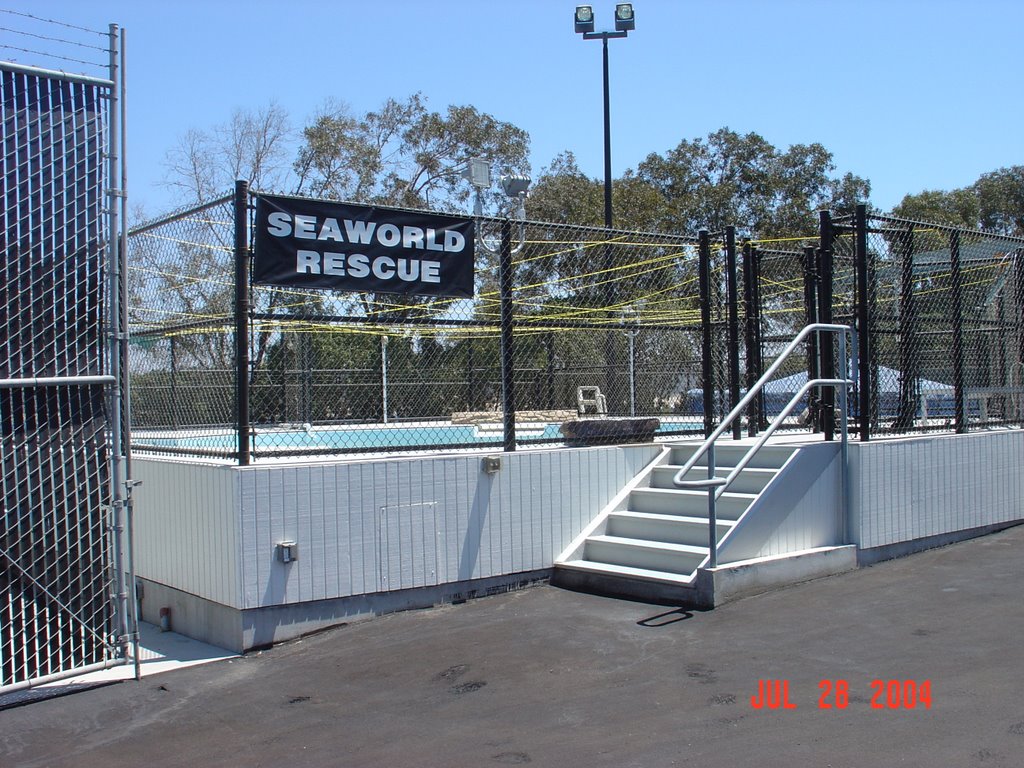 One of the Sea World Rescue holding tanks
The most exciting thing about this tour, however, was being able to see all the BABY FLAMINGOES!!! We even got to interact with one, all of us sitting on the floor in a circle while the baby wandered around, fascinated by the new people and voices, my sunglasses and Kay's camera. The baby chattered the entire time, too, it was so cute! He was nothing but beak and legs with a cotton ball in between! He was still downy, and was softer than anything you can imagine. His down was so soft that you almost couldn't feel it...it was so amazing.
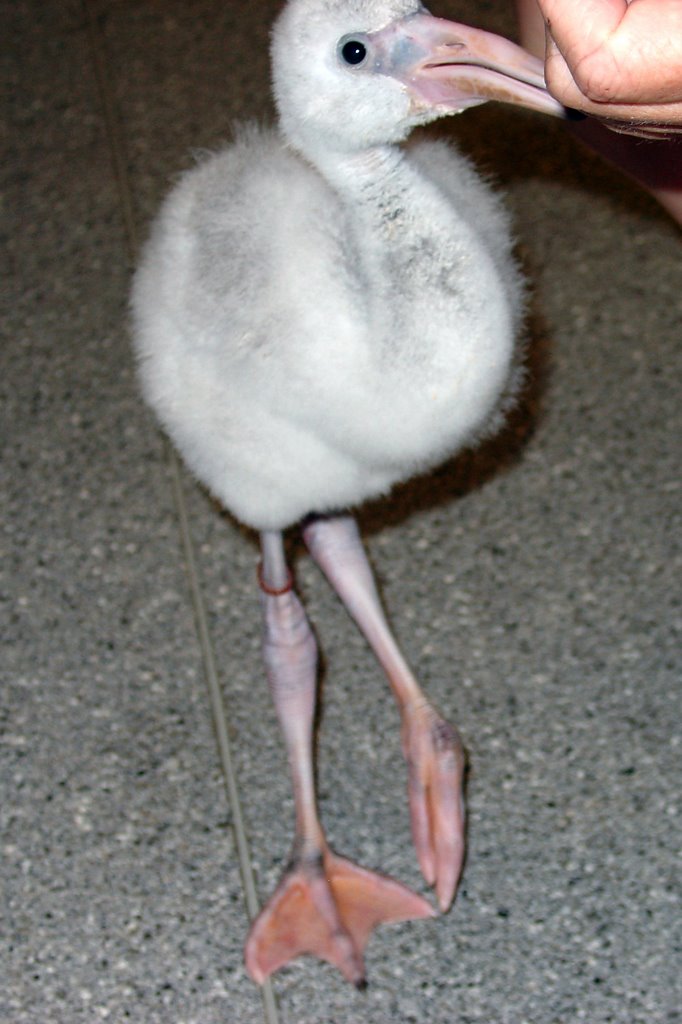 Flamingo chick
We went back to the center where our pelicans were, and collected our crate. We all said goodbye to Nigel and George, who were excited at the prospect of the fish that they could see in the caretaker's hands. With a big "squawk!" they waddled out of the crate and into the pen, where they happily swallowed several fish each. Jody, Kay and I all cried.
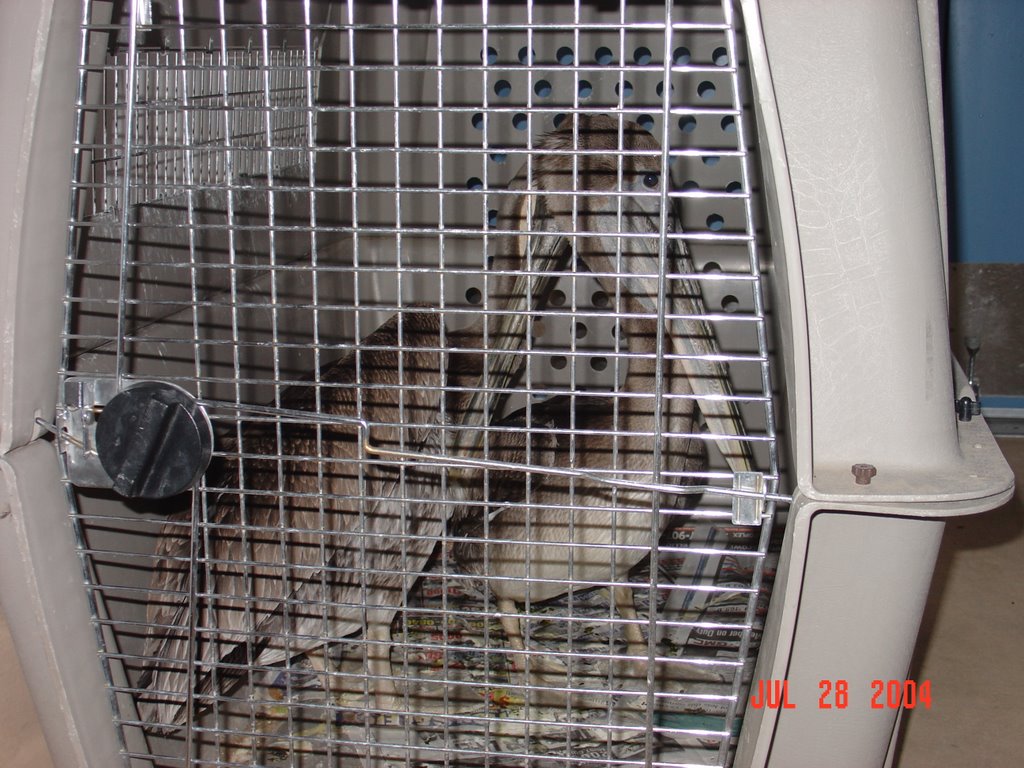 Nigel and George in their crate
After our special tour, we were allowed into the park for free! Imagine the cost of five adult admissions to Sea World! We were so extremely grateful for the tour and the park access. We spent a couple of hours looking at some of the exhibits and shows, but then we had to get going again.
We headed back to Phoenix, excited but exhausted, happy but sad, and dreaming of Nigel and George being free. We returned home at about 11 pm, just 24 hours after we left! Think of it -- in ONE DAY, we left Phoenix, drove to San Diego, had breakfast, toured the facilities of Sea World, spent time in the park, and drove back home. WHEW!!!
A couple of weeks later, we received a letter from our friends at Sea World. The two pelicans we had delivered to them were the healthiest that had been received by any of the Phoenix-area rehabilitators, and our pair had been released only a week after arriving at Sea World; the others had to continue rehabilitation for a week or more after ours were released. We sent one of our logo t-shirts as a thank you, saying that we hope to work together more in the future.
In my dreams, I see Nigel and George with families of their own, diving into the ocean and coming up with a belly full of fish. I imagine that someday, just maybe, they'll fly over my house and dip their wings in a quick "hello"...
Bird Girl
http://www.bundnaturschutz-eichstaett.de/video/angriff%200.wmv
Bird Girl








 Posts
All Comments
Posts
All Comments